
Should You Keep Towing Your Boat or Caravan, or Store It Near Your Destination?
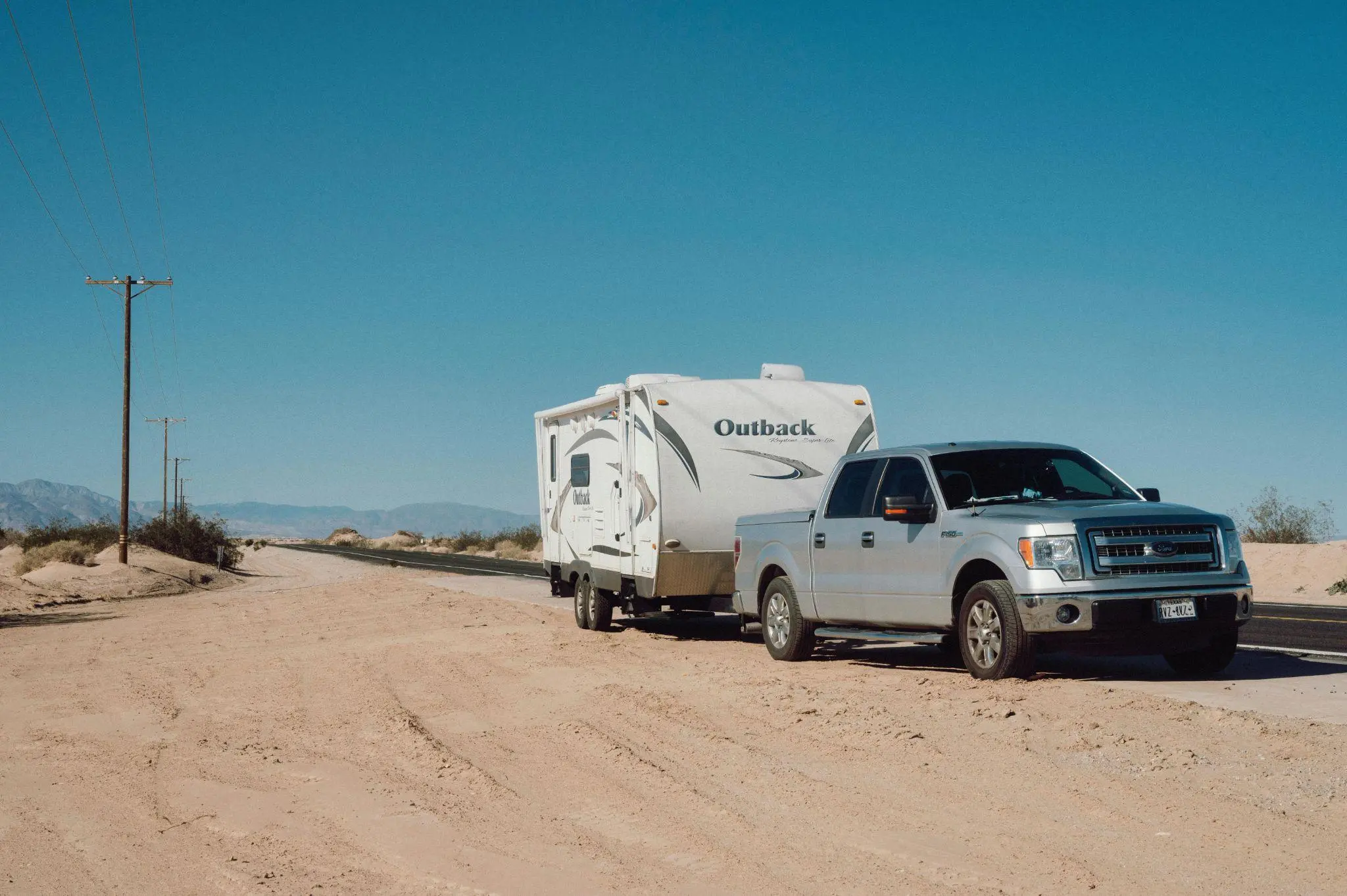
If you regularly use your boat or caravan, storing it near your destination is usually the more practical option. It saves time, reduces fuel and wear, and makes each trip easier.
Most owners start by towing from home. At first, it works. But over time, the extra driving, setup, and effort start to wear on you.
It often comes down to a simple choice: keep dealing with the tow every trip, or make it easier to actually use it more often.
What Towing Every Trip Looks Like
At the start, towing doesn’t feel like a big deal. You hook up, drive out, and get on with your trip. But every trip follows the same pattern.
More Preparation Before You Leave
Each trip starts before you even get on the road. There’s hooking up, checking connections, packing, and making sure everything is secure. It becomes part of the routine, but it still takes time every single time.
Handling and Fatigue Over Longer Drives
Towing a large load requires more focus, especially over longer distances. It affects braking, maneuvering, and overall driving comfort. Over time, that added strain becomes part of every trip, particularly in traffic or on unfamiliar roads.
Extra Time on the Road
Towing means allowing more time for every trip. Speeds are lower and traffic is harder to manage. What could be a straightforward trip often turns into a longer, more planned-out journey.
Ongoing Fuel and Wear
Towing adds to fuel costs and puts extra strain on your vehicle. Over time, that shows up in both running costs and maintenance.
Setup and Pack-Down at Both Ends
Arriving doesn’t mean you’re ready to go straight away. There’s still setup before you can use your boat or caravan, and the same process happens again when it’s time to leave.
It Adds Up Over Time
None of this is a major issue on its own. But across multiple trips, it becomes a consistent part of the experience and often the part people enjoy the least.
What Changes When You Store It Near Your Destination?
Storing your boat or caravan near where you use it changes how each trip works:
You Spend Less Time Getting There
Without towing, the drive becomes simpler and more predictable. You’re not adjusting for speed, traffic, or stops in the same way, which makes it easier to plan around.
You Arrive Ready to Use It
Instead of setting up after a long drive, your boat or caravan is already in place. That means more of your time is spent actually using it, not getting it ready.
There’s Less to Do Before and After Each Trip
Packing, hooking up, and checking everything doesn’t happen every time. Most of that work is already taken care of, which makes shorter or more frequent trips easier to manage.
Reduced Wear on Your Vehicle and Equipment
Without repeated towing, there’s less strain on your vehicle and less ongoing wear on what you’re transporting.
Trips Become Easier to Repeat
When the process is simpler, it’s easier to go more often. What used to feel like a full-day commitment becomes something you can plan around more freely.
Cost Comparison: Towing vs Long-Term Storage
Cost is where the difference usually becomes easier to see. One involves repeated costs each trip, the other is typically more consistent.
-
Ongoing Fuel Costs vs Fixed Storage Cost
Towing increases fuel use, especially over longer distances. For regular trips, that cost repeats every time you travel.
Storage, on the other hand, is usually a set cost. It doesn’t change based on how often you visit, which makes it easier to plan around.
-
Maintenance and Depreciation
Regular towing adds strain to your vehicle. Over time, that can lead to more frequent servicing and general wear.
There’s also the added wear on the boat or caravan itself from repeated transport, particularly over longer distances.
-
Time Value
Time doesn’t show up as a direct expense, but it still matters. Longer drives, setup, and pack-down all take time out of each trip.
Here’s a quick look at their differences:
| Factor | Towing Every Trip | Storing Near Your Destination |
|---|---|---|
| Fuel Costs | Ongoing and increases with distance | Not affected by travel frequency |
| Maintenance | Higher due to repeated towing strain | Reduced wear from less transport |
| Time | Longer travel and setup each trip | Less travel time, quicker start |
| Effort | Repeated packing, hooking, and checks | Minimal repeat setup |
| Cost Type | Variable, adds up over time | Fixed and predictable |
| Trip Frequency | Works for occasional use | More practical for frequent trips |
| Distance | More manageable for short trips | More useful for longer distances |
| Destination | Flexible across locations | Best if you return to the same area |
| Asset Type | Lower impact for smaller/lower-value setups | Better for larger or higher-value assets |
| Preference | Full control at home | Convenience and ease of use |
Is It Safe to Store a Boat or Caravan Long-Term?
Security is often the main concern with long-term storage, especially for high-value assets like boats and caravans.
-
Yes, If the Facility Is Properly Secured
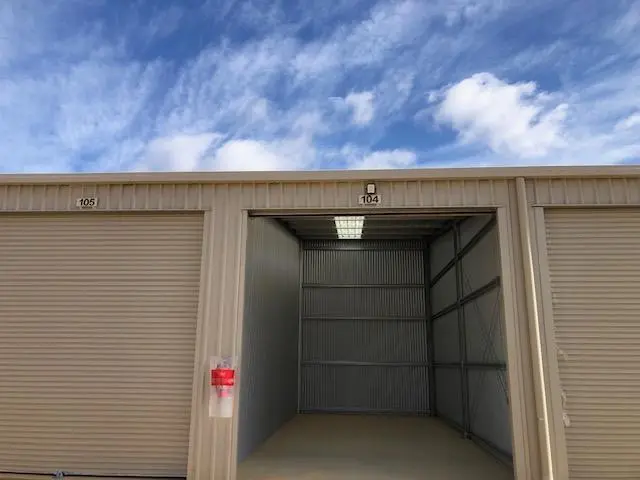
Not all storage is set up the same way. Basic sites may rely on gates and shared access, while purpose-built facilities are designed with multiple layers of protection in place. The level of security depends on how the facility is set up, not just where it’s located.
-
Individual Unit Protection Makes a Difference
Facilities with individually alarmed units offer a higher level of control compared to shared or open storage.
Instead of relying on general site security, each unit has its own layer of protection, which reduces the risk of unauthorised access.
-
24/7 Monitoring Adds Continuous Oversight
Ongoing monitoring helps ensure activity on-site is consistently tracked. In many cases, this includes systems like Sentinel monitoring and high-definition camera networks designed for continuous surveillance.
-
Controlled Access Helps Limit Who Can Enter
Secure facilities don’t just allow open access. Features like PIN entry and exit points help control who enters and exits the site, adding another layer of protection without limiting accessibility for owners.
What to Look for in a Long-Term Storage Facility
Not all storage facilities are set up the same way. Asking for details makes a difference.
- Security: Look for more than just gates and fencing. Features like monitored surveillance, controlled access, and individually secured units make a difference when storing high-value assets.
- Access: Access should be straightforward. Facilities with controlled entry, such as PIN-based access, make it easier to come and go without needing assistance, while still keeping the site secure.
- Unit type: Fully enclosed units offer more protection compared to open or shared storage. This helps reduce exposure to weather and limits access to your specific unit.
- Layout: Wide driveways, clear layouts, and enough turning space make a practical difference, especially when moving larger boats or caravans.
- Location: Where the facility is located affects how useful it is. Storage near where you actually use your boat or caravan tends to be more practical than keeping it closer to home.
- Oversight: Consistent oversight helps keep the facility running as expected. On-site management or regular monitoring adds another layer of accountability.
Should You Keep Towing or Start Storing?
There isn’t a single answer that fits everyone. It depends on how you use your boat or caravan, and what matters more to you – flexibility or a simpler setup when you arrive.
For those who return to the same place regularly, having it ready there tends to change how each trip feels.


